



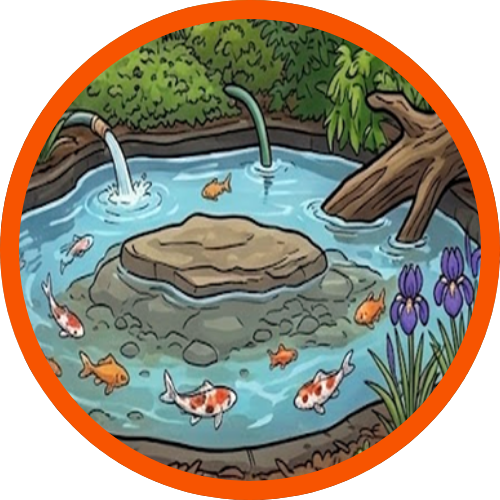

A compact excavator may suit a backyard pond when access, ground conditions and the specified design allow. Have the pond outline, depths, shelves and spoil plan agreed before excavation. The local operator can assess whether a mini or micro excavator is suitable and how long the work is likely to take.
Below is the step-by-step process, what size machine actually suits a backyard job, and the point where it makes more sense to hand the dig to an operator instead.
Key Takeaways
- A 1.7 to 2.5 tonne mini excavator handles most backyard ponds, but access, not pond size, is usually what decides the machine
- Dig the deepest point first, then cut shelves at marked heights, since working deep to shallow avoids climbing over finished ledges
- Spoil volume and access width are the two things that catch DIY diggers out, and the two reasons people switch to a wet hire operator
Check the site before digging
Request underground utility information through Before You Dig Australia, follow asset-owner instructions and arrange any necessary service locating before excavation. Confirm the pond design, required approvals, machinery access, spoil handling and safe working plan with the relevant specialists.
How to dig a pond with an excavator
Start by marking the full pond outline on the ground, including any shelves or ledges for planting baskets. Strip the topsoil from the whole footprint first rather than digging straight down in one spot, so you’re working with a clean, level starting surface.
Dig the main body to your deepest point first, then come back and cut the shelves at their marked heights. Working deep to shallow keeps you from having to climb in and out of a finished shelf to reach the centre.
What if you hit rock or heavy clay halfway through?
Stop and have the ground and excavation assessed if rock, buried material or unexpected conditions are encountered. Your local operator can advise on suitable equipment and a revised scope; do not force an attachment beyond its intended use.
Once the shape’s cut, shape the surrounding ground so it slopes away from the pond edge. This stops runoff from washing soil or lawn clippings straight into the water.
What size excavator do you need for a backyard pond
Measure the narrowest access point, overhead clearance and working area before booking. Check the actual machine width and working dimensions with your local team. A machine’s nominal weight alone does not establish whether it will fit through your gate or work safely on the site.
Measure your narrowest access point before booking anything. A machine that’s technically capable of the dig but can’t physically get into the backyard is no use at all.
DIY pond excavation: what you need to get right
Spoil volume catches most first-time diggers out. A pond that looks modest on paper can still produce several cubic metres of excavated soil, all of which needs somewhere to go, whether that’s spread elsewhere in the yard, stockpiled, or loaded out through the same narrow access the machine came in through.
Operating competence, machine instructions and site safety matter. Ask your local team about familiarisation, the machine’s operating requirements and whether an experienced operator is the appropriate choice for your excavation. Confirm any applicable local or workplace requirements before starting.
When hiring an operator makes more sense than digging it yourself
If the access is tight enough to need a micro excavator, if the pond has multiple shelf depths, or if you simply don’t have a free weekend to be the one in the seat, a wet hire job with an operator removes the learning curve entirely. You get the machine and someone who already knows how to shape a clean pond footprint, rather than figuring it out on your own excavation.
Diggermate’s Fish Pond Excavation service covers exactly this: the operator excavates to your marked shape, cuts shelves and ledges where specified, and manages the spoil, while pond design, liners, pumps and filtration stay with your pond specialist.
Whichever way you dig it, start with the access
Whether you’re renting the machine yourself or having Diggermate handle the dig, the access measurements and pond shape are what decide the job before a single scoop comes out of the ground. See the Mini Excavation and Earthworks With an Operator page for what’s covered, then get in touch with photos of the work area, your suburb, and the pond design, and a local operator can confirm the right machine, whether you’re behind the controls or they are.
FAQs
Can I dig a pond with a 1.7 tonne mini excavator?
Yes, a 1.7 tonne mini excavator suits most backyard pond and water feature digs. Narrower access points, such as a tight side gate, may call for a smaller micro excavator instead.
How deep does a backyard fish pond need to be dug?
Have the pond depth, shelves and profile specified by your pond designer or specialist for the intended use, fish species, climate and site. The excavation should follow that design rather than a universal depth recommendation.
Do I need council approval before digging a backyard pond?
Ask your local council about the proposed pond, excavation and intended use before work starts. Approval, barrier and other requirements depend on the site and jurisdiction. Do not assume a fish pond is exempt from all requirements.